Demonstrating Impact and Value Beyond the Medicine

Working closely with clinicians, faculty and system leaders has given us a clear perspective on the pressures facing Integrated Care Systems (ICSs), and where targeted, non-promotional investment can drive meaningful system value.
Across the NHS, clinical teams are under increasing strain: rising demand, workforce shortages, and the ongoing need to deliver against efficiency, access and outcomes targets. At the same time, ICSs are being tasked with improving population health, reducing variation in care, and delivering more integrated, pathway-led models of care.
Many clinicians are already identifying opportunities to improve services — redesigning pathways, adopting innovation, and exploring more efficient ways of delivering care. However, the consistent challenge is capacity and capability to implement change at scale.
This is where pharmaceutical and healthcare organisations can support ICS priorities in a way that is both compliant and value driven.
By investing in clinical leadership, MDT effectiveness and pathway-focused capability building, organisations can directly support ICS objectives, enabling frontline teams to operationalise change and deliver measurable improvements across the system.
The market access opportunity
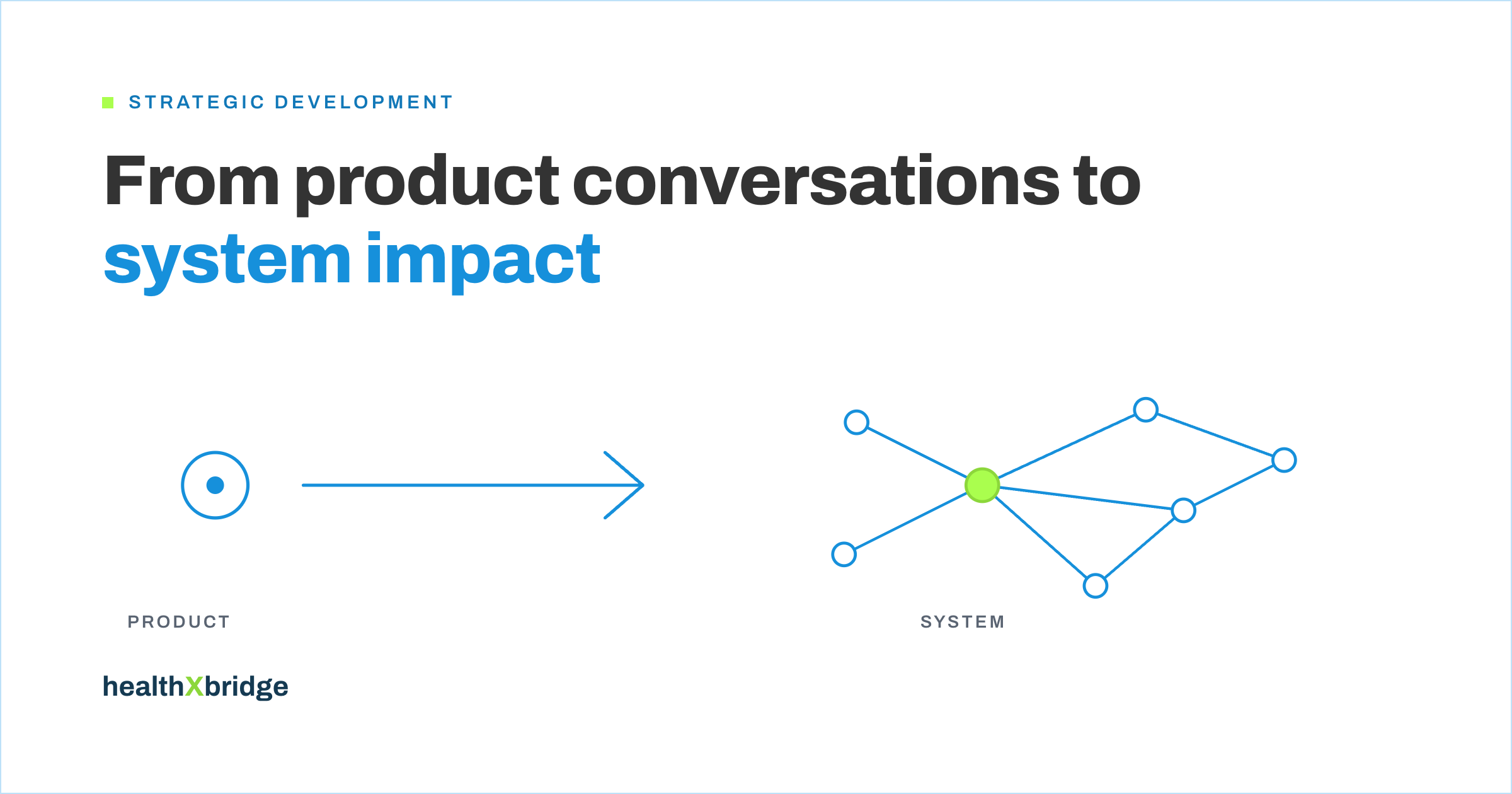
For market access teams, this represents a shift from traditional engagement towards system partnership and pathway impact:
- Supporting pathway optimisation aligned to local ICS priorities and disease area strategies
- Enabling effective adoption of innovation (including medicines and digital solutions)
- Reducing unwarranted variation in care delivery
- Contributing to service efficiency and demand management
- Demonstrating value beyond the product in a real-world setting
These programmes provide a credible mechanism to align with ICS agendas while remaining focused on patient outcomes and system sustainability.
Delivering value for NHS staff
Our approach directly supports the people responsible for delivering care:
- Improved MDT working → clearer roles, stronger collaboration and faster decision-making
- Increased clinical leadership capability → clinicians confident to lead service improvement and pathway change
- Reduced pressure and inefficiency → better workflows, improved communication, and less duplication
- Greater psychological safety and team resilience → improved retention, engagement and wellbeing
- Practical, implementable skills → tools and frameworks that can be immediately applied in practice
This is not theoretical training, it is hands-on capability building grounded in real system challenges, enabling staff to make sustainable improvements within their own services.
Delivering better outcomes for patients
Ultimately, these interventions translate into tangible benefits for patients:
- Faster, more coordinated care pathways
- Reduced delays in diagnosis and treatment initiation
- More consistent, equitable care across regions
- Improved patient experience through better communication and joined-up care
- Greater access to innovation where appropriate
By strengthening how teams function and how pathways are delivered, we create the conditions for better clinical and experiential outcomes at scale.
The success of any pathway or innovation depends on more than clinical evidence — it depends on people, behaviours and system dynamics.
Credibility and delivery
All programmes must be co-designed and delivered with faculty and system leaders who have led service redesign within NHS environments, delivered pathway change across ICSs, and supported teams through high-pressure system transformation.
This ensures every intervention is practical and aligned to real-world constraints, relevant to local system priorities and focused on measurable outcomes.
For pharmaceutical and healthcare organisations, this is an opportunity to build trusted, long-term ICS partnerships, support system priorities in a compliant, non-promotional way, and demonstrate real-world impact beyond the medicine.