Systems Leadership in Healthcare

The leadership capability healthcare can no longer ignore
Healthcare’s greatest challenges are rarely technical; they are systemic.
When faced with increasing pressures across workforce, finance, patient demand and service transformation, there is often a tendency to search for isolated solutions. Yet many of the problems healthcare organisations are attempting to solve are not contained within a single department, pathway or institution. They are products of complex adaptive systems.
So, what is a system?
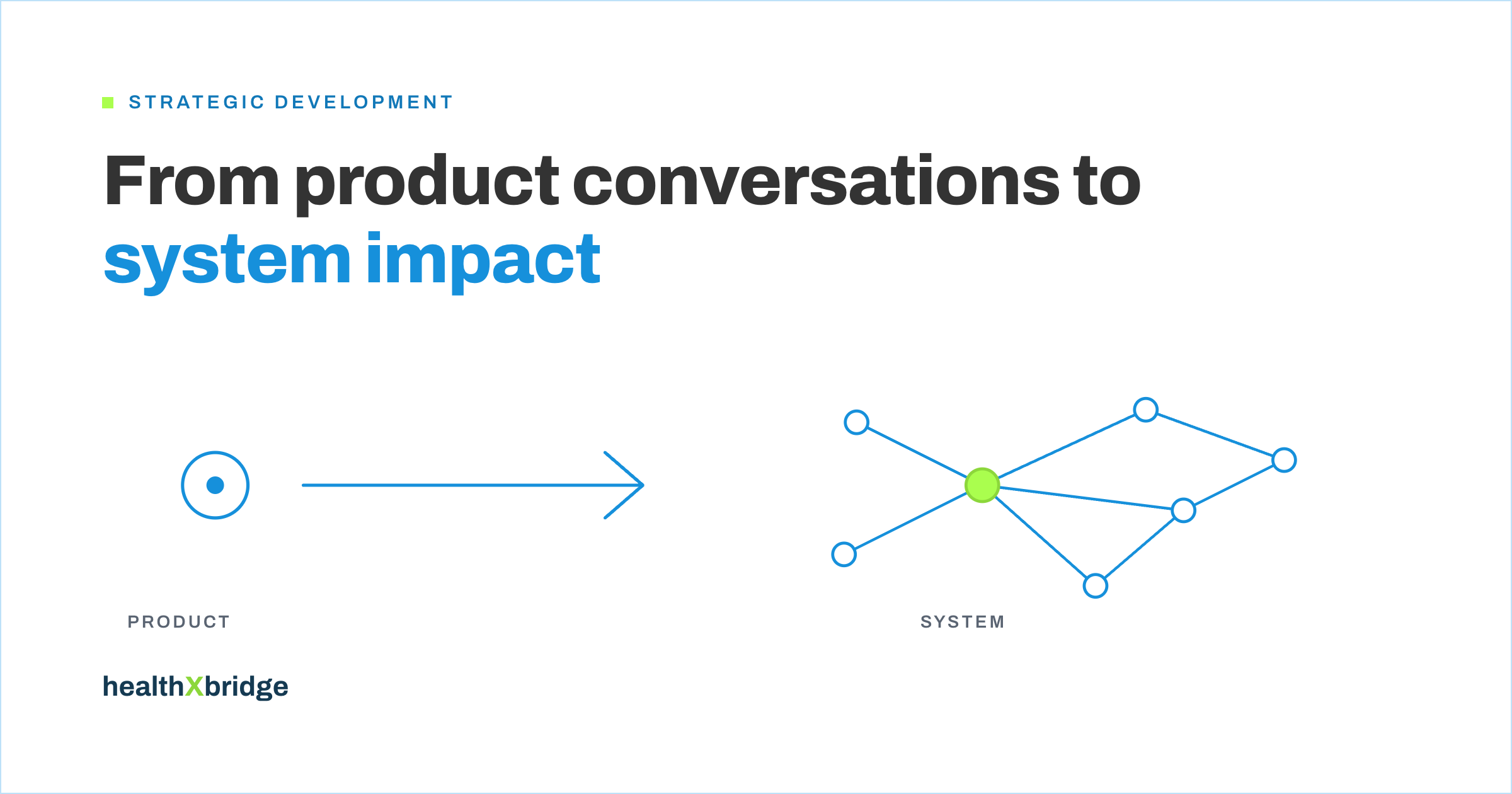
Systems theory proposes that outcomes emerge from the interaction of interconnected components rather than from any single element in isolation. Families are systems. Educational institutions are systems. Organisations are systems. Human physiology itself is a system — multiple interdependent parts continuously influencing one another to create an overall state of health and function.
Healthcare represents one of the most complex systems in society.
Within it sit multiple interconnected layers: national policy, Integrated Care Boards, provider organisations, clinical pathways, commissioning frameworks, professional cultures, technological infrastructure, patient behaviours, clinical science, workforce dynamics and political influences. These are all simultaneously independent and interdependent.
This complexity matters because it fundamentally changes how we approach improvement.
Traditional management thinking often assumes a linear relationship between intervention and outcome. Systems thinking challenges this assumption. In complex environments, actions generate intended and unintended consequences, feedback loops emerge, and changes within one area often create ripple effects elsewhere. What may appear as resistance to change is frequently a rational response to the complexity of the wider system.
The paradox of control
Many healthcare organisations continue to respond to uncertainty through increased control.
Standards. Regulations. Governance structures. Performance targets. Assurance frameworks.
While necessary, these mechanisms alone do not create transformation.
In fact, excessive focus on control can unintentionally inhibit the very behaviours required for system improvement. When staff are expected to innovate without autonomy, improve outcomes without influence, or lead change without psychological safety, they naturally retreat to familiar boundaries.
People become focused on managing risk rather than creating value.
The result is often organisational compliance rather than organisational learning.
This phenomenon is well documented within systems literature. When complexity exceeds an individual’s perceived capacity to influence outcomes, protective behaviours emerge. Teams narrow their focus, feedback loops weaken, and collaboration across boundaries declines. Organisations begin optimising individual parts of the system at the expense of the whole.
Why system leadership matters
If healthcare is to successfully navigate the challenges of the next decade, leadership itself must evolve.
The future requires leaders capable of seeing patterns rather than isolated events. Leaders who can work across organisational boundaries, understand interdependencies and influence beyond formal authority.
Most importantly, healthcare requires leaders who recognise that transformational change is not achieved by controlling systems, but by creating the conditions in which systems can learn, adapt and improve.
System leaders understand that sustainable change requires:
- Shared purpose
- Psychological safety
- Distributed leadership
- Continuous learning
- Strong feedback mechanisms
- Cross-sector collaboration
- Tolerance of uncertainty and intelligent risk-taking
They are capable of holding the tension between operational realities and strategic transformation.
They do not simply manage organisations; they enable systems to function more effectively.
Permeable boundaries: a critical characteristic of high-performing systems
One of the central principles of systems theory is the importance of permeable boundaries.
Healthy systems allow information, challenge, innovation and feedback to flow across teams, professions and organisations. These feedback loops provide the intelligence necessary for adaptation and improvement.
However, under pressure, systems often become defensive.
Boundaries become rigid. Communication narrows. Silos emerge. Leaders focus on organisational performance metrics while losing visibility of system-wide outcomes.
The consequence is familiar: duplication, fragmentation, inefficiency and diminished patient experience.
In healthcare, where outcomes depend upon multiple organisations working collectively, maintaining these feedback loops is not a luxury, it is an operational necessity.
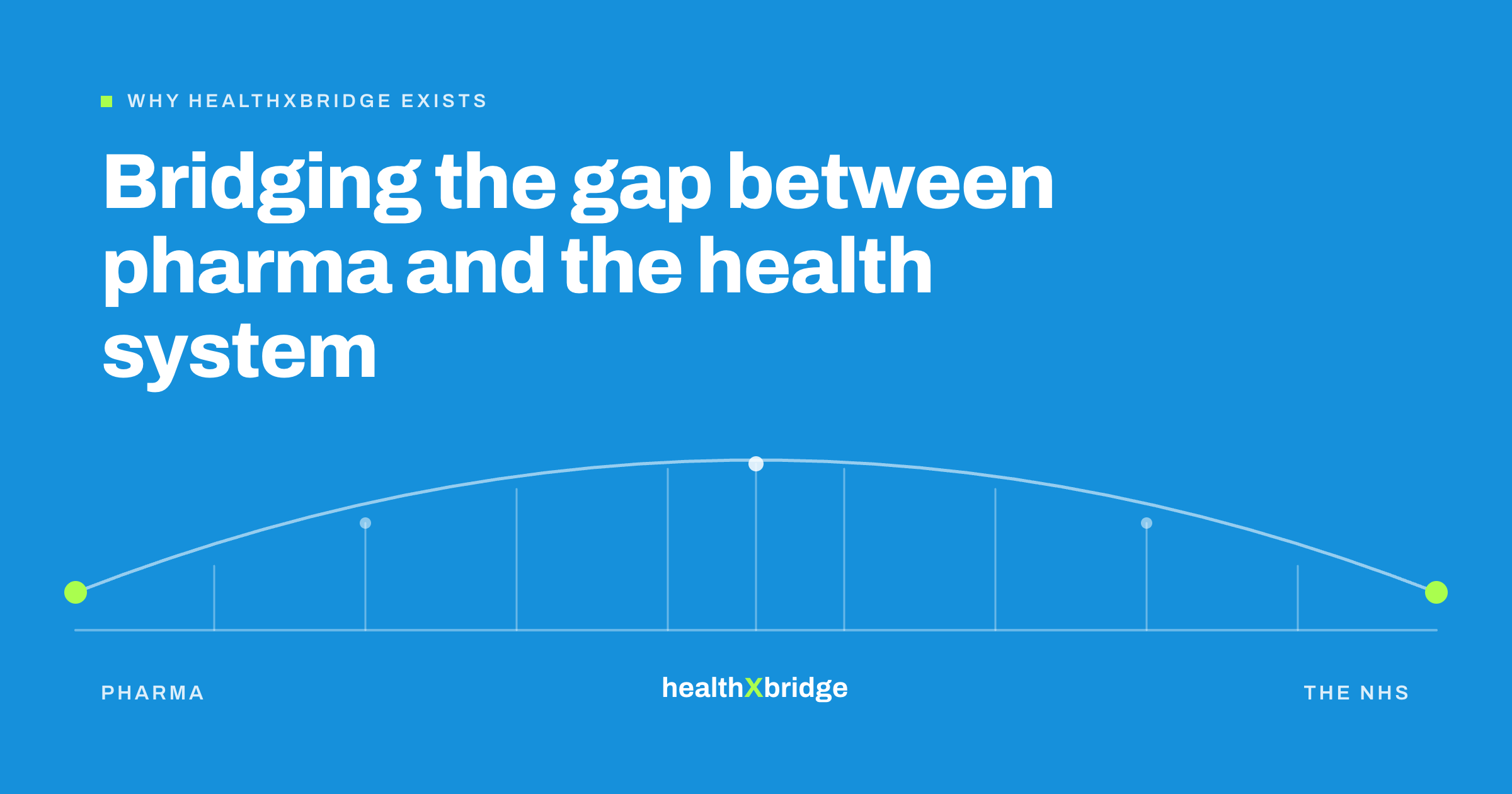
Bridging healthcare and pharma through systems thinking
The relationship between healthcare and the pharmaceutical industry provides a powerful example of systems thinking in practice.
Traditionally viewed as separate institutions, both sectors ultimately serve the same patient population. Yet differing priorities, incentives and structures can often create barriers to effective collaboration.
A systems-thinking approach encourages a shift from transactional engagement towards strategic partnership.
Rather than asking, “What does my organisation need?” the question becomes, “What does the wider system require to improve outcomes?”
This creates opportunities for more meaningful collaboration, shared learning and collective innovation across organisational and professional boundaries.
Building the capability for system transformation
Perhaps the most important lesson from systems thinking is that systems do not transform merely because we desire change.
Transformation requires capability.
It requires leaders, managers and professionals to develop new ways of thinking, influencing and collaborating. It requires organisations to move beyond traditional leadership development models and equip individuals with the practical tools needed to navigate complexity.
Recognising this growing need across health and life sciences, healthXbridge has developed CPD-accredited Systems Thinking Development Programmes designed specifically to build these capabilities.
Grounded in systems theory and applied healthcare practice, these programmes support leaders and professionals to:
- Understand system dynamics and complexity
- Lead across organisational boundaries
- Strengthen strategic collaboration
- Apply systems-thinking methodologies to real-world challenges
- Improve change leadership capability
- Build cultures of continuous learning and adaptation
As healthcare continues to move towards greater integration, partnership working and population health approaches, systems thinking is no longer a desirable leadership skill — it is becoming a core professional capability.
The question is no longer whether systems thinking matters. The question is whether we are developing enough leaders capable of applying it.
The future of healthcare will not be determined by individual organisations acting alone. It will be shaped by those who can see beyond organisational boundaries, understand complexity and mobilise collective action across the system.
At healthXbridge, we believe developing these capabilities is one of the most important investments healthcare and life sciences organisations can make.